


Building Effective Collaboration with a Highly Anxious Client
A common scenario that many of us see in our practices is the over-functioning wife with the anxious-avoidant husband. He is a highly anxious procrastinator

In today’s world of cell phones, text messages and emails, it has become much easier for partners to unearth infidelity – and to be able to follow the communication trail between lovers.
A couple comes to see you after an affair has been discovered. They are in crisis. You know how to handle the immediate crisis and how to slow them down and discourage them from making rash decisions about their future.
Even though the sessions are painful, progress is being made. Then 6-8 sessions later, momentum slows in a common way. The betrayed partner can’t stop obsessing about details and wanting to know everything about what occurred.
Sessions revolve around questions like:
The questions become unrelenting and the search for more evidence doesn’t stop.
When this process goes on for too long, it just increases the pain for both partners and leaves you feeling helpless.
For you to keep positive momentum going, it helps a lot to know when obsessing is valuable and when it’s not.
And in some situations, getting the details reveals that the affair took place in the context of a good marriage and actually “was not personal.”
When you are confronted with ongoing obsession, you walk a delicate line. To maintain momentum you must be able to support the positive aspects of uncovering details while discouraging the processes that are destructive.
It takes practice to learn to confront the patterns that maintain regression, while simultaneously supporting the betrayed partner in making a good decision for themself about the future.

"*" indicates required fields
 We respect your privacy.
"*" indicates required fields
We respect your privacy.A common scenario that many of us see in our practices is the over-functioning wife with the anxious-avoidant husband. He is a highly anxious procrastinator

It’s easy to believe that the world’s greatest problems live “out there” in distant countries, in governments, in systems too large to influence. Yet we
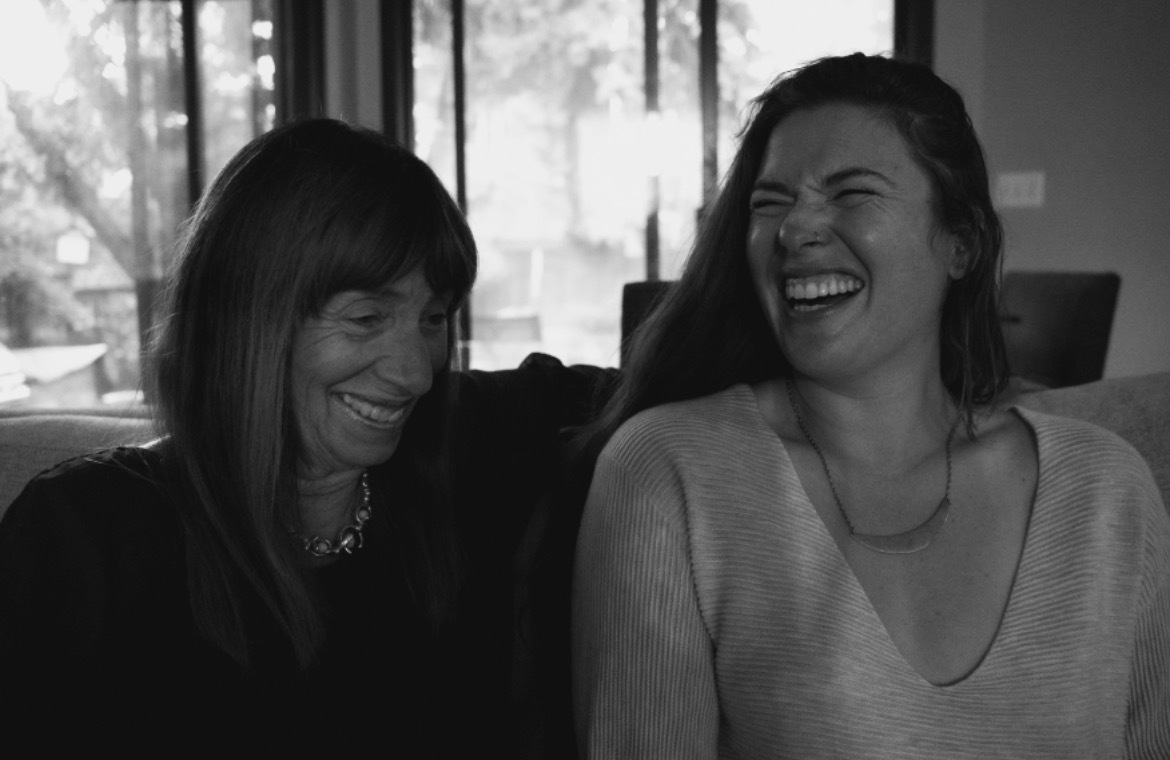
“Hi, Petunia” My mother leaves voicemails that begin like this often. “Hi, Petunia, it’s me.” There is something in that voicemail that is so quintessentially
"*" indicates required fields