

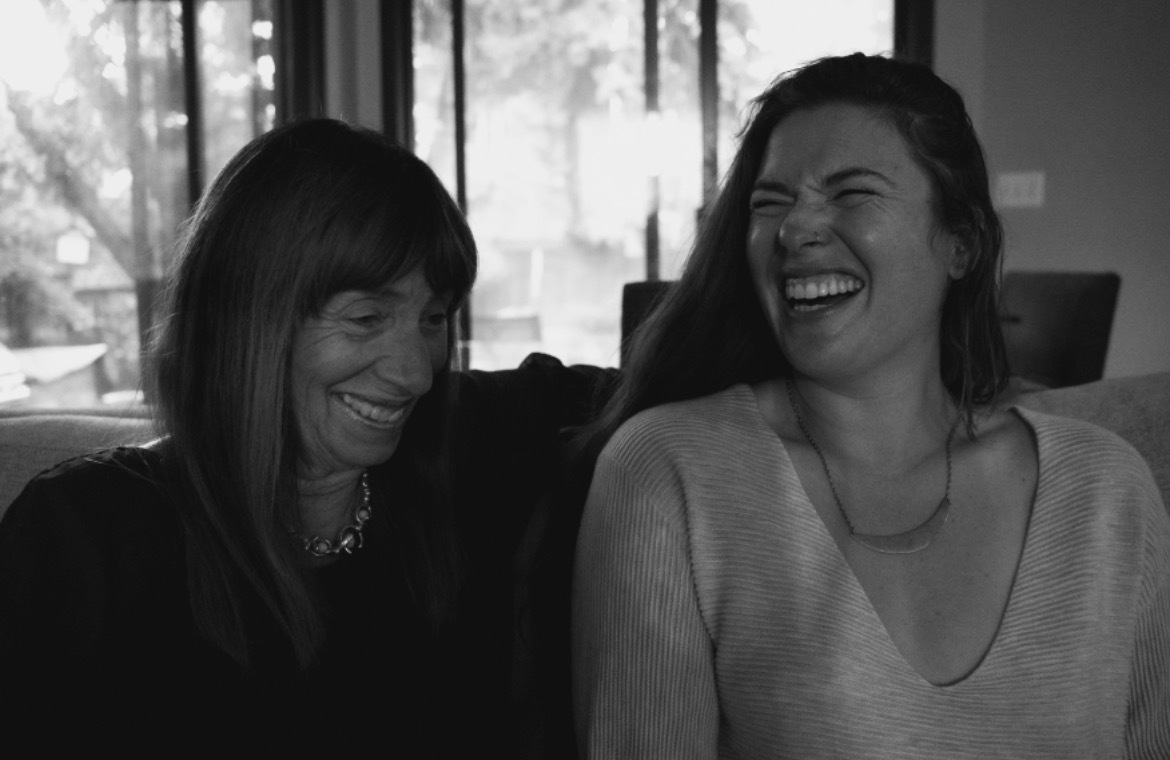
Growing Up with Dr. Ellyn Bader: Lessons from a World-Class Therapist and Mother
“Hi, Petunia” My mother leaves voicemails that begin like this often. “Hi, Petunia, it’s me.” There is something in that voicemail that is so quintessentially

Losing control of a given couples therapy session happens sooner and faster than you think.
How soon?
Often it is in the first few minutes of a session.
Here’s what I mean.
It has to do with how you start a session.
Here are some very common openings for couples sessions:
These seemingly innocuous questions are gold plated invitations for highly distressed couples to start criticizing and attacking. These questions make it too easy to focus on what is wrong.
Each partner tells you about their partner’s deficiencies. They want you to recognize where the other was insensitive and uncaring. Tension quickly mounts and soon you have lost control of the session!
Ironically you are the culprit. Those innocent questions are OK for individual clients but are especially dangerous with very angry partners, passive aggressive partners or with partners who have a significant trauma history.
So what is the alternative?
Instead of floundering, take control immediately.
Here are a couple of my favorite ways to start:
I once returned from a long trip to Kenya. For many couples it had been three weeks since our last meeting.
Historically I would have asked them to catch me up on how things had been since our last session. I learned over time that highly distressed partners may mention one or two good things, but then they quickly launch into recounting serious fights or disappointments. I would feel a strong pull to react to their agenda. And the blaming would begin.
This old way of inquiring unfortunately encouraged a self-centered perspective about their own hurts. It also minimized the impact they had on each other and perpetuated a lower level of development.
Now I start with a better question, especially when I have any concerns about hostility dominating the session. “Charlie, how would you describe Sue’s experience since our last meeting? How did you contribute to her highs and lows and what do you think she will say about your contributions to the current state of your relationship?”
I will ask each person this question. But, just as important, I will avoid immediately investigating any fight they had and continue getting a better description of how they viewed each others' experience. This allows me to take time to decide the most relevant path for us to pursue rather than becoming reactive.
Applying the concept of differentiation enabled me to question what I was asking and why I was getting the results I was getting. As I have developed a deeper understanding of differentiation, I have learned how to ask better and better questions that keep me in control of sessions.
Indirectly my new questions push for more differentiation by inquiring how aware each partner is of the emotional state of the other and how aware they are of their own role in what goes wrong.
I want both partners to get out of their own self-interested, self-protective bubble and become more descriptively aware of their partner’s worldview.
And I want sessions to be more productive with less effort from me.
Please comment below. What is a favorite question you use to start sessions with angry partners? Also let me know if changing how you start sessions has made a difference in your work.
In this blog, my focus has been on starting therapy in a way that increases the capacity for other-differentiation. An increased focus on other-differentiation will make your couples therapy work easier and more rewarding. You can gain a much deeper understanding of differentiation in my online training program. For more information or to get on the waiting list click here.
If you missed last week's Losing Control: When Couples Sessions Spin Out of Control, click here to read it now.

"*" indicates required fields
 We respect your privacy.
"*" indicates required fields
We respect your privacy.“Hi, Petunia” My mother leaves voicemails that begin like this often. “Hi, Petunia, it’s me.” There is something in that voicemail that is so quintessentially
"*" indicates required fields