


Building Effective Collaboration with a Highly Anxious Client
A common scenario that many of us see in our practices is the over-functioning wife with the anxious-avoidant husband. He is a highly anxious procrastinator
Couples fight for many reasons. Yet, at the heart of most fights are violated expectations.
There is a significant difference between expectations and desires and it is this difference that causes much painful struggling in couples relationships. Expectations have a “should” quality implied about them. For example, “My partner should do X. It’s just the right thing to do. Therefore I have permission to be passive without putting much effort into helping bring those expectations into being.”
However, when someone really desires something and especially if they want it quite fiercely, they will activate themselves to obtain it. Desire alone is not sufficient to realize the harvest, but it kindles effort.
Too often when couples are fighting, one partner is saying they want an outcome or they wish for something, but what they really mean is, “I expect my partner will comply with my expectation, without my exerting any effort.” Of course, it is never expressed that way!
It can challenge us as therapists to confront this passivity. Here is one way you might bring the passivity to a client’s attention….
I am sitting here listening to you fight. I’m not sure if you recognize the expectations you have surrounding this fight. It is common for all of us to expect our partners to listen well, be appropriately thoughtful, reliable, and affectionate. When that doesn’t happen we become nagging, testy, defensive, or demanding.
Think about it. Many times when you are frustrated with each other, it is probably because your partner did not live up to one or more of your expectations. It's not that you walk around with this list in your head. It’s usually subconscious. You just know when an important expectation has been violated because you feel bad.
Here’s an extreme example. When you go to a restaurant you expect the waiter to come to your table, bring water, bread, and then ask what you would like to order. You do not expect to make an effort to help the waiter do his job. That’s how expectations work. You believe you don’t need to make much of an effort to get them fulfilled.
Often your expectations are rooted in how you saw your parents do things or what you experienced in a previous relationship.
Is it possible that your expectation now could become a desire? Could you put effort into working with your partner to make something happen?”
These questions can begin to shift the dialogue away from the fight into a discussion of what a client might be willing to do to support their partner to become more responsive to their request. This type of intervention does not work with all fights, but with some partners and some fights it enables you to get out of the middle and move the couple towards more collaborative teamwork.
Recently I conducted a conference call designed to help therapists “get out of the middle” not only in arguments, but in the entire process of couples therapy. If you’d like more help “getting out of the middle,” you can purchase an audio recording and transcript of the call for just $37. Click Get Out of the Middle.
I wish you courage and success with new interventions.

"*" indicates required fields
 We respect your privacy.
"*" indicates required fields
We respect your privacy.A common scenario that many of us see in our practices is the over-functioning wife with the anxious-avoidant husband. He is a highly anxious procrastinator

It’s easy to believe that the world’s greatest problems live “out there” in distant countries, in governments, in systems too large to influence. Yet we
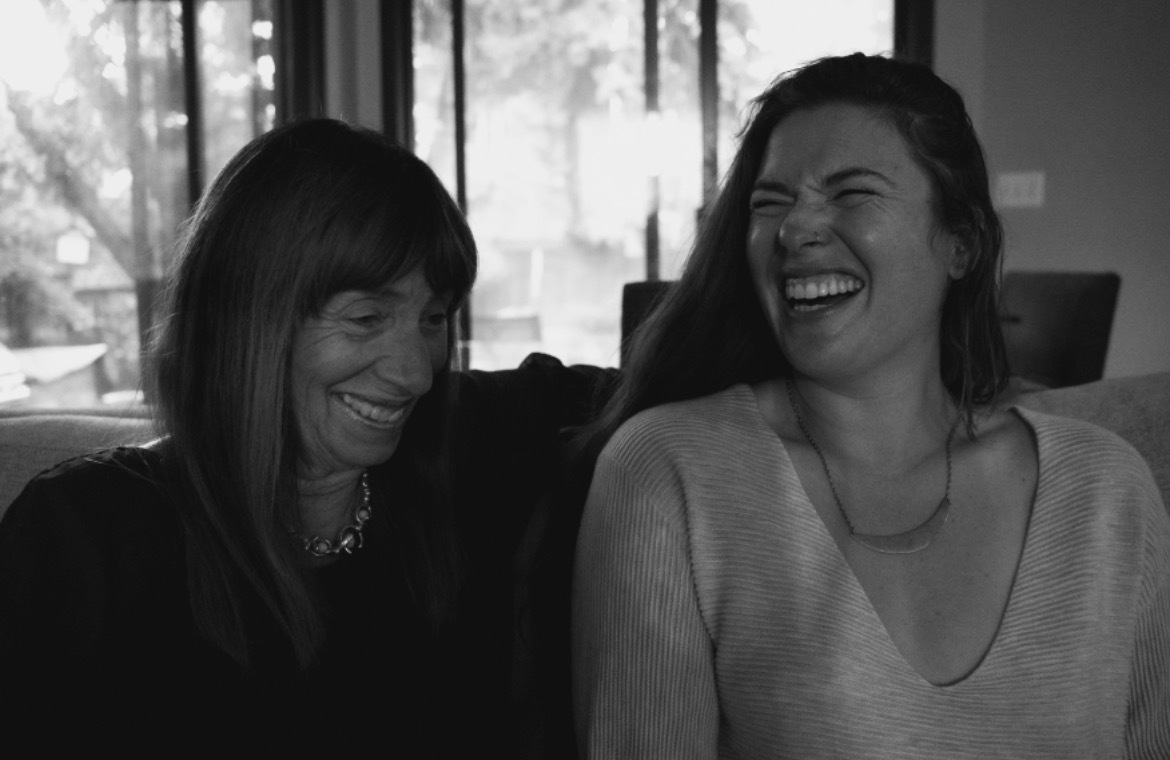
“Hi, Petunia” My mother leaves voicemails that begin like this often. “Hi, Petunia, it’s me.” There is something in that voicemail that is so quintessentially
"*" indicates required fields