


World Famous Dr. Pete Pearson is my Dad. Here’s What That’s Like…
My dad has a PhD in psychology. Which sounds like it should come with a disclaimer. Like, “results may vary” or “side effects include being

It’s been said that the past is never really dead. All our prior experiences have the power to shape our thoughts and perceptions – which in turn influences our closest relationships.
The couples you meet with every day are dealing with issues that took root long before they came to you. Yet even after you’ve uncovered signs of past trauma in one or both partners, it’s not always clear how to help them move forward.
In some of the next posts, we’ll take a closer look at trauma and couples therapy, offering insights and techniques that will help you plan a highly effective course of treatment.
How the past distorts the present
Trauma configurational reflex is a concept that explains how, as humans, we tend to configure what we see in front of us through the lens of our past experiences. The word reflex is important here, because this usually happens automatically, beyond the realm of conscious thought.
In working with couples, you might see this show up when a partner who once endured emotional or physical abuse believes it’s happening all over again when the other partner seems upset or angry. In reality, the issue may be a small one, but the traumatized partner feels the echo of past events and suddenly feels unsafe.
In this context, it’s easy to see how communication shuts down. The traumatized partner may freeze, run away, or even lash out, leaving the other partner confused, misunderstood, and possibly even angrier than before.
Empowering couples to retool their reactions
When one or both partners are entangled in misunderstandings triggered by past trauma, the chances that they will achieve healthy differentiation are greatly diminished. As their therapist, you can help them learn to stay in the moment, using new skills to interpret each other’s messages in a more accurate and collaborative way.
The Initiator-Inquirer process helps couples learn to slow down, develop curiosity about what the other partner is saying, and check in with one another to achieve understanding. This can be an excellent process for gaining control over reflexive reactions based on past trauma. Here’s a quick review of how the process works. And here is a resource that helps couples practice this new process, both in your office and at home.
Opening the door may be as simple as explaining that healthy communication is based on exploration, which starts with asking each other lots of questions, listening carefully and reflecting back what you believe the other person has said. Success comes when couples learn to slow down and give each other the time and attention that leads to real understanding.
Mapping out a successful course of treatment
Because you’re working with patterns embedded deep in the brain, recovery from reflexive thinking may be very gradual – and that’s perfectly normal. Here are some suggestions for planning your therapeutic approach.
In our next few posts, we’ll go deeper into trauma-informed treatment for couples. Please comment on questions you have and share your experience working with trauma below.


"*" indicates required fields
 We respect your privacy.
My dad has a PhD in psychology. Which sounds like it should come with a disclaimer. Like, “results may vary” or “side effects include being
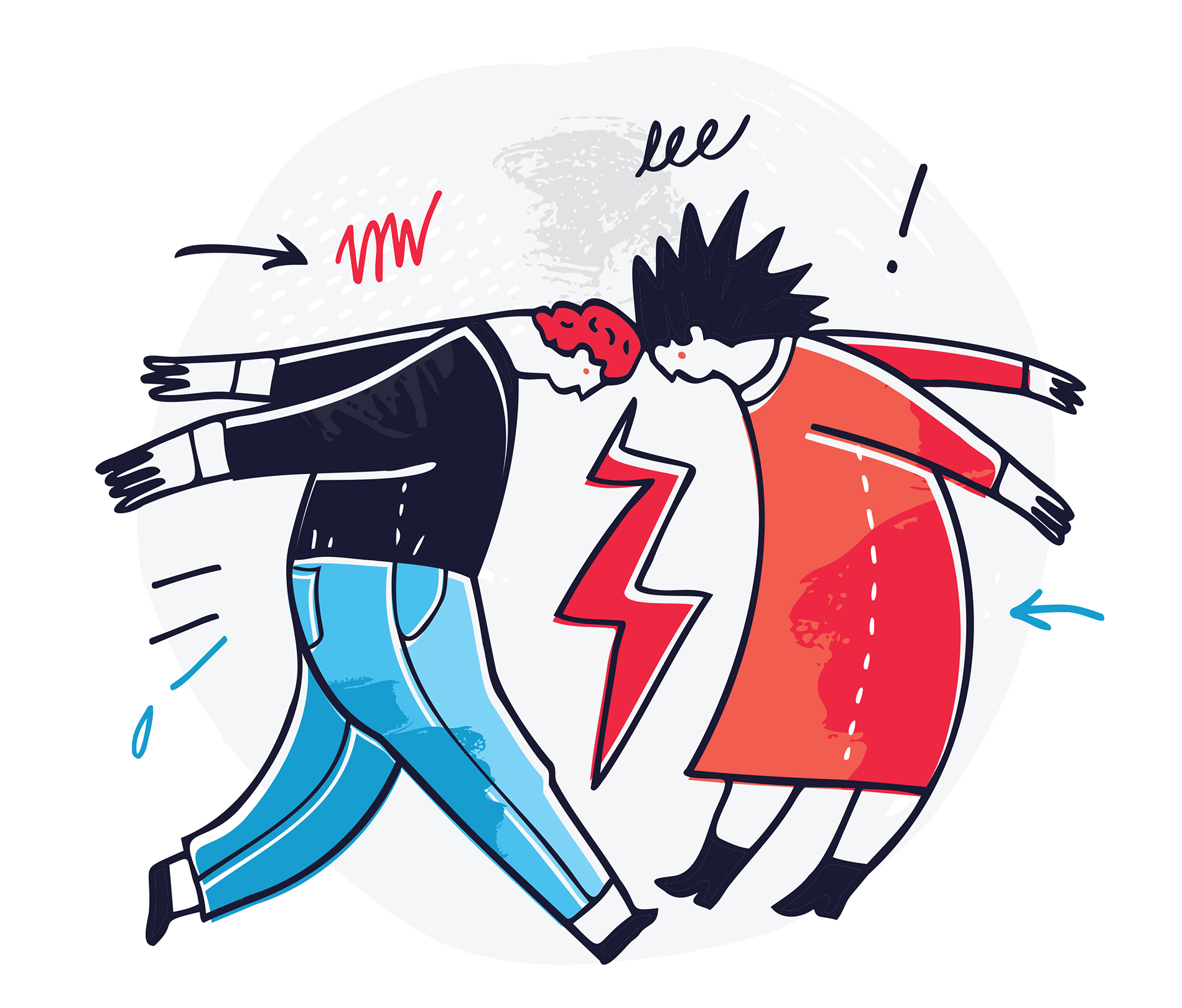
You’ve probably seen couples who are struggling because of too much reactivity and inadequate ability to tolerate differences. That was the challenge in this case

In Part 1, we explored why individual therapy can sometimes stall when working with relationship distress. It’s often because of the absence of a relational
Oops! We could not locate your form.