

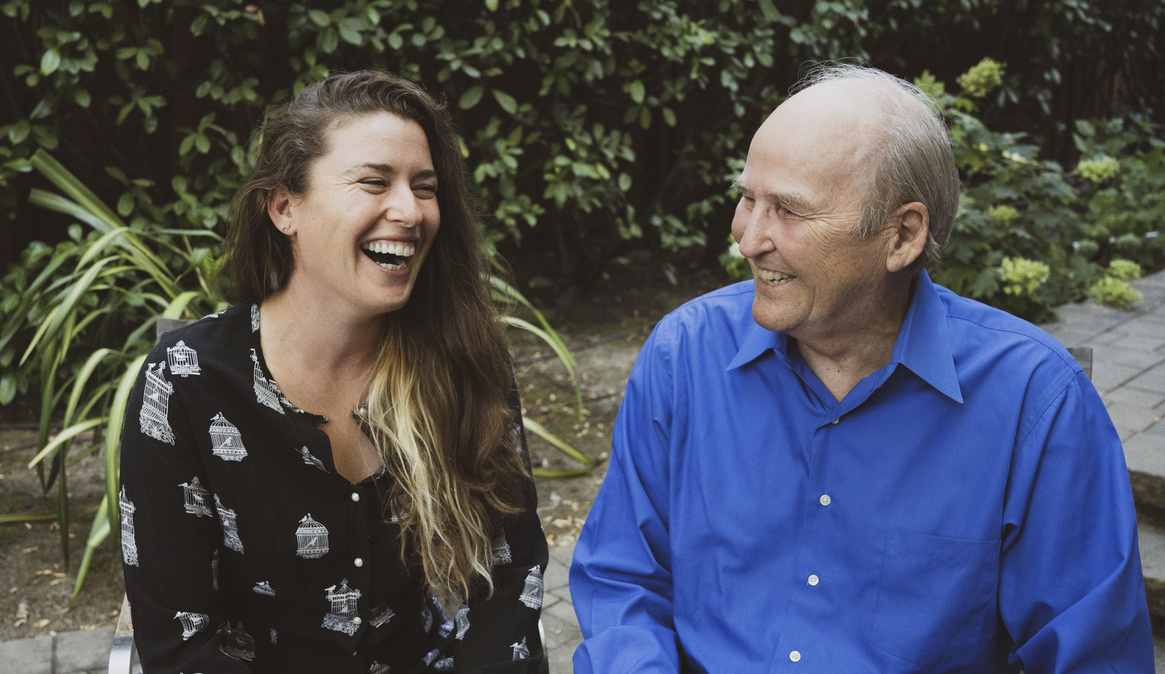
World Famous Dr. Pete Pearson is my Dad. Here’s What That’s Like…
My dad has a PhD in psychology. Which sounds like it should come with a disclaimer. Like, “results may vary” or “side effects include being
I am stuck in the LA airport counting the hours until I can get home and sleep in my own bed. Indefinite delays at the boarding gate are particularly difficult after the hard work and excitement of the Couples Conference.
After sitting here for 3 hours, I realize I can pass the time more productively by recapturing some of the highlights of this year’s meeting for you now, while the memories are fresh.
We kicked the meeting off with a keynote by Dr. Paul Ekman. He did an exquisite job distilling lots of the research on emotions for us. He said that all researchers agree on 5 basic emotions: anger, fear, sadness, disgust and happiness.
There is considerable disagreement among researchers on whether or not surprise, contempt and excitement are emotions.
While there are culture specific triggers and individual variability in triggers for emotions, the actual emotions themselves are universal. For example, appropriate emotions to feel and express when honoring someone who has died may be culturally determined. An example of an individual trigger is that some people are afraid when they smell alcohol due to experiences growing up with an alcoholic parent while others do not experience alcohol as a fearful trigger.
And as all of us have surely seen in our work with couples, it is easier for humans to learn new triggers than it is to unlearn them!
He highlighted the differences between emotions, moods, traits and disorders.
He had two pithy lines I can easily imagine using with some of my couples:
A special highlight of the meeting for me was meeting Dr. Stephen Porges. You may remember a recent blog where I summarized an interview he did for NICABM. It was a fun surprise to discover that we both attended Michigan State at the same time and our social circles overlapped.
When I introduced him to the workshop audience I said, “I must admit that when I reviewed his resume with 10 single spaced pages of published articles on the brain, physiology and neuroception, I felt dumb and briefly tempted to hurry back to graduate school.”
Yet, the wonderful part of listening to him is that he knows so much on subjects I know nothing about. He is a researcher who deeply understands the physiology of the body’s defense mechanisms.
Dr. Porges talked a lot about how our bodies are wired to unconsciously scan and evaluate risk.
I asked him what he would do with a couple who was very angry and had no capacity to tolerate differences. He said he’d ask them to write to each other before trying to converse because writing removes all visual, body and voice tone cues.
In healthy relationships, partners scan to determine, “Are you my friend?” And then, “Are you my lover?” In other words, safety is crucial and much of the scanning is unconscious. The cues can also be misread. He stressed therapeutic strategies such as meditation, breathing, and checking out the readiness of the partner to listen that turn off the defenses.
This reminded me how essential it is to carefully prepare couples for the Initiator-Inquirer process. I like to remind my clients that when they get triggered, this is information they can use together. It is not fault or blame. Instead it is a signal that says, “We need to re-establish safe physiology before going the next step.”
Differentiation requires the capacity to manage difficult emotions together. It means knowing what differentiation-stress feels like. As partners learn to live in the tension of differentiation, they can say to themselves,
It was great writing to you! When I began this post I wanted nothing more than to get home. Reflecting on this year’s Couples Conference and writing about it reminds me that all the work is worth it and why I love the ongoing stimulation of new learning as our field develops. It also reminds me how much I appreciate your involvement in it.

"*" indicates required fields
 We respect your privacy.
My dad has a PhD in psychology. Which sounds like it should come with a disclaimer. Like, “results may vary” or “side effects include being
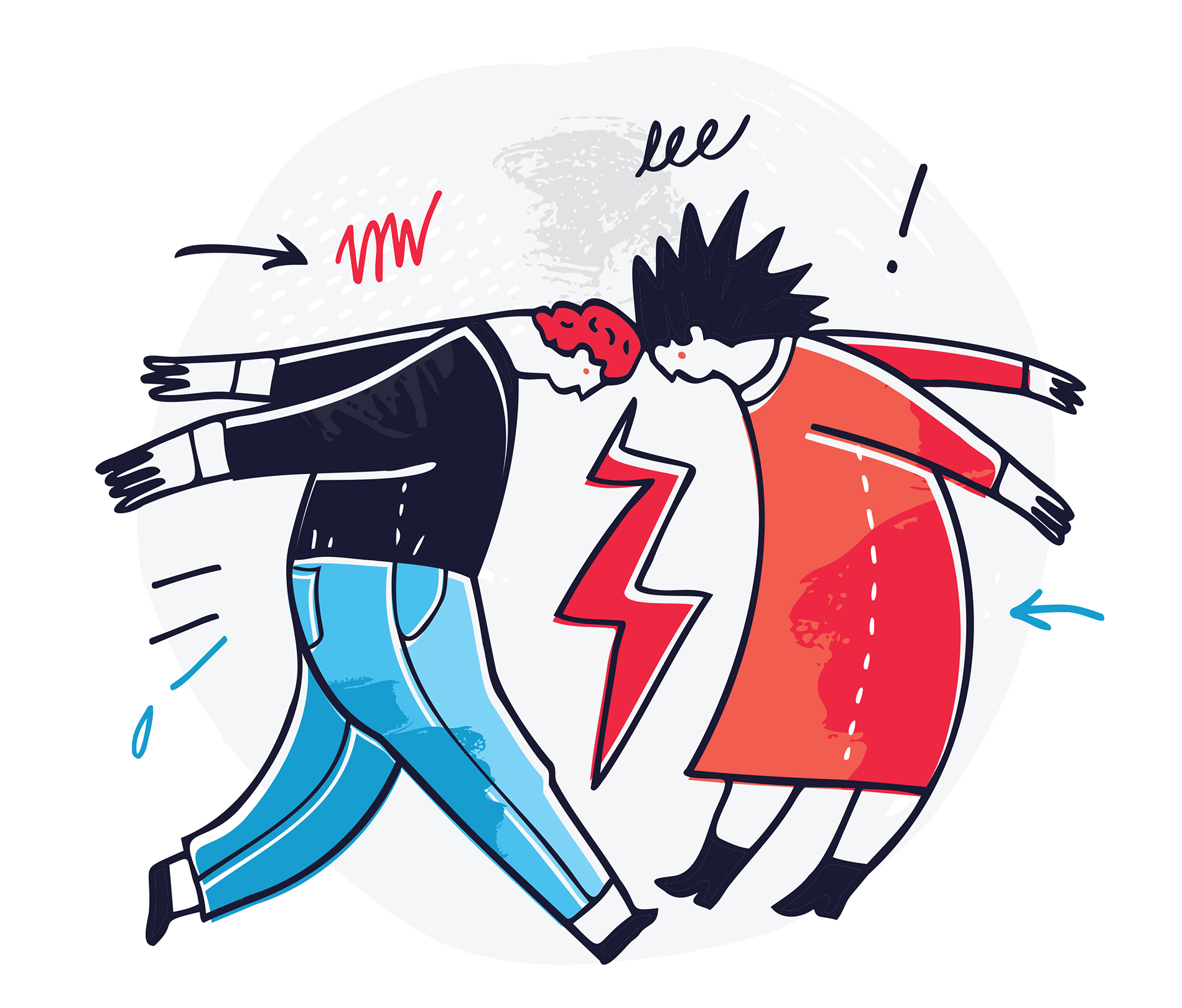
You’ve probably seen couples who are struggling because of too much reactivity and inadequate ability to tolerate differences. That was the challenge in this case

In Part 1, we explored why individual therapy can sometimes stall when working with relationship distress. It’s often because of the absence of a relational
"*" indicates required fields