
A one-time-only workshop series with Dr. Ellyn Bader
Flooding, Fighting, and Finding Your
Footing in the Age of Dysregulation
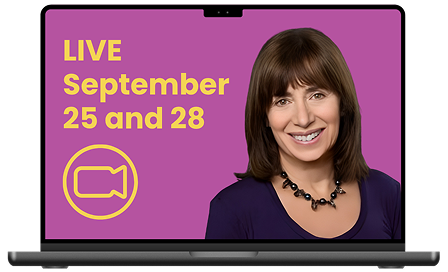
Free to attend live
- September 25 9am Pacific
- September 28 11am Pacific
No payment required. We respect your privacy.
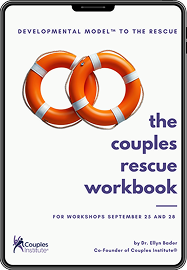
Relationships are different in 2026
Couples are more activated than ever. The old tools don’t work the way they used to because half your clients are armchair experts, having already “diagnosed” their partner as a narcissist or an avoidant.
We asked therapists around the world what they wished they were better at, and the same theme came up:
“Managing myself first, then them. Holding my center. Not getting pulled in. Keeping calm enough to think out my next move. Resisting becoming part of their system.”
Almost none will tell you what to do when you’re flooded, too.
Our annual September series is trusted by therapists in almost 100 countries. And it’s back, one-time-only, to help shape who you and your clients can become in the Age of Dysregulation.

Schedule of Events
- Stop the Fight or Let It Run? Staying Regulated and in Charge With Volatile Couples (September 25, 9-11am Pacific)
A hostile-dependent couple has been having the same fight for nine months. Both are working to recruit you onto their side. You’ll see how to get each partner to take accountability for their own role in the problem and the solution. This will answer the age old question, when do I stop the fight, and when do I let it run?
- Nowhere to Hide: Turning Anxiety and Self-Doubt into Transformation with Clients (September 28, 11am-1pm Pacific)
This conflict-avoidant couple had 20 years of silence. But now they’re cracked open by a fresh betrayal and things are getting heated. The therapist caught herself thinking what so many of us think: if their voices go up, it’s my fault. You’ll see what happens when you stop treating your own anxiety as proof of failure and start seeing it as the place of your most important growth.
Flooding, Fighting, and Finding Your Footing in the Age of Dysregulation
A one-time-only workshop series with Dr. Ellyn Bader
Free to attend live
- September 25 9am Pacific
- September 28 11am Pacific
No payment required. We respect your privacy.


You will Discover.. ⌕
- How to read your activation as information, not failure
- Why it’s not your job to always have the answer – and how to respond when you draw a blank
- Live role play demonstrations to get each partner accountable (without activating their defenses or choosing sides)
- A 3-part process to start strong with a fighting couple, no matter their presenting problem
- Why the couple that’s "getting worse" is a sign of trust being built, not you breaking something
- "Stop the fight or let it run?" has an actual answer, and you'll see it demonstrated
Want the Backstory for this Series?
Somewhere along the way, our field started treating steadiness like a personality trait. As if the therapists who stay grounded were born that way. As if calm authority is a gift given to those with the right childhood or the right attachment history, and the rest of us just have to fake it.
I don’t buy it. And I have my own life as evidence.
I came from a conflict-avoidant family, and tension made my skin crawl. Early in my career, a professor told me not to go to grad school but to follow my boyfriend and be a stay at home wife. Later, an examiner reviewed a tape of my clinical work and told me that I would never be good and I should quit immediately.
Everything I know about staying grounded and regulated in the face of conflict, sarcasm, and covert manipulations I learned. Which means it’s learnable for you, whatever your temperament, whatever your history, whatever the voice inside your head tells you. about who gets to be the steady one.
That is the whole reason I organized this series around who you’re becoming. Techniques come and go. You’ll sit through a hundred case presentations in your career, and the models will keep changing.
But if you can learn these three things, you’ll be a calm leader.
- Stay steady when a couple erupts or challenges your values
- Feel pulled to take a side but not get swept up in it
- Take your activation as useful guidance instead of failure…
These skills will stay with you in your hard sessions and beyond. You’ll take that sense of calm regulation into your own relationships, too. Investing in these skills is an investment in the quality of your life.
That’s what these two workshops are really about. They are about supporting you in the hardest work so you can rise to the challenges in and outside of your office.

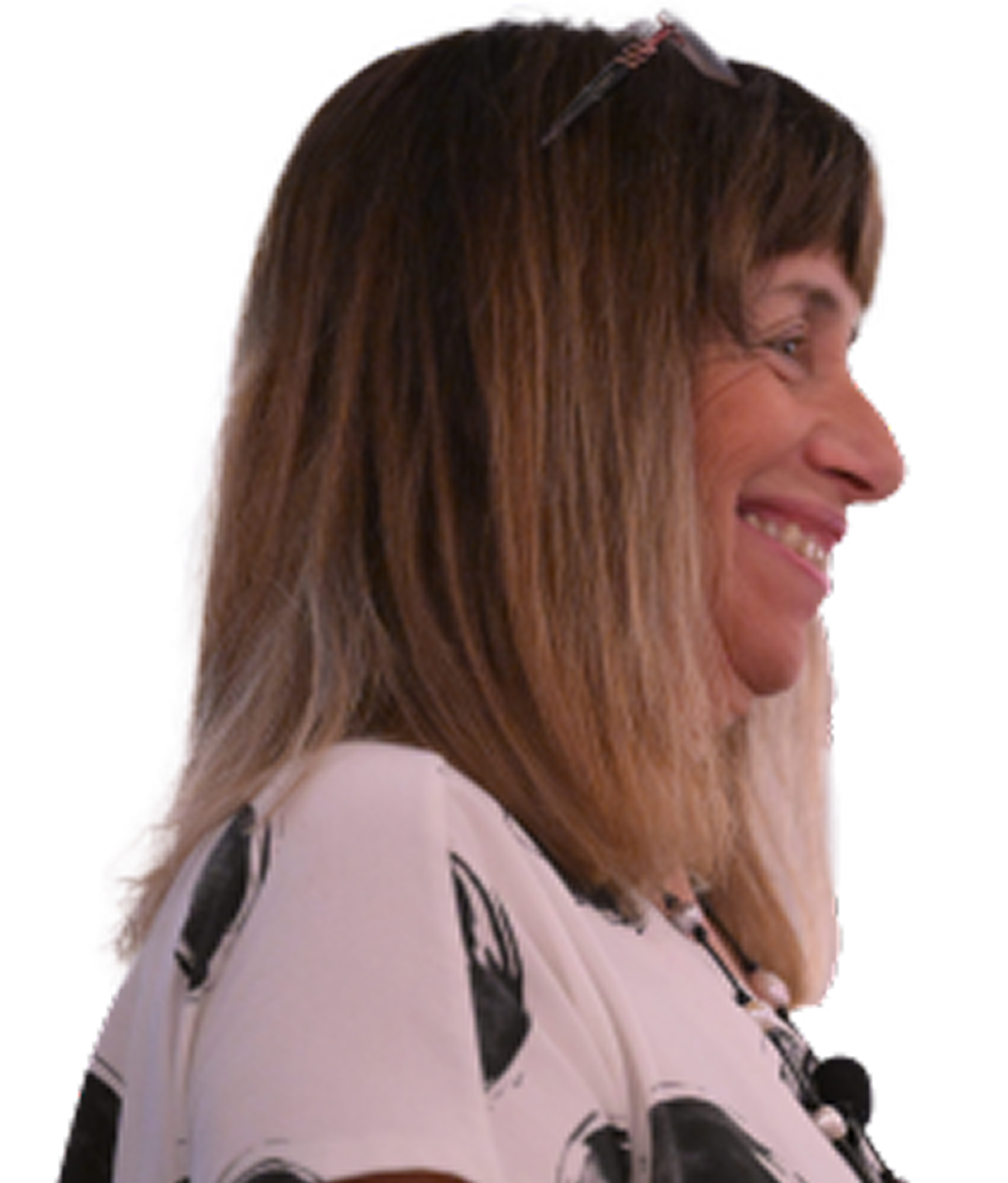
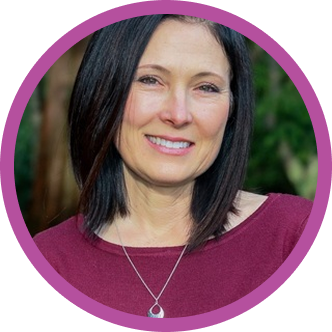
Dr. Ellyn Bader is co-founder of The Couples Institute and one of the most influential voices in couples therapy today. For four decades, she and her husband, Dr. Peter Pearson, pioneered the Developmental ModelTM, an approach that has trained therapists in 81 countries to reach the couples others give up on.
Ellyn has appeared on more than 50 radio and television programs, and delivered keynotes to clinicians around the world. But what therapists tend to remember about Ellyn isn’t the credentials. It’s the steadiness. The way she stays grounded and clear and can teach you to do the same.
That steadiness wasn’t a gift she was born with. It’s something she developed over time, which is why she’s spent so much of her career teaching other therapists how they can build it too.
LMFT, Grass Valley, CA
“The most exciting part was seeing you work with the therapist. You are so supportive while you help therapists learn how to become more effective.”
MA, RCC, British Columbia